
Changelog
Introducing the Effect SDK for Rivet Actors
A first-class Effect SDK for Rivet Actors — your Scope, Ref, and Layer, now stateful.
A first-class Effect SDK for Rivet Actors — your Scope, Ref, and Layer, now stateful.
A native Rust rewrite of RivetKit, a reimagined dashboard, fine-grained control over actor lifecycle, and more.
The dashboard got a redesign. Settings live in one place, inviting people doesn't open a giant modal, and the layout makes it clearer where you are.
A lightweight VM for AI agents, powered by WebAssembly and V8 isolates. ~6 ms cold start, 32x cheaper than sandboxes, full POSIX environment.
Millions of isolated SQLite databases that scale to zero, run at the edge, and stream changes to your React frontend in realtime.
Per-actor durable queues with a programmable run handler. Ordered processing, request/response, traffic spike absorption, and workflow integration.
Durable, replayable workflows for TypeScript. Sleep, join, race, retry, rollback, and human-in-the-loop with realtime frontend integration.
Docker ships with an undocumented API for spawning isolated microVMs. Here's how to use it for more than just AI agents.
Swift SDK for native iOS/macOS development, Sandbox agent SDK launch, Vercel deployment examples, and enhanced development tooling.

A universal SDK that provides a single HTTP/SSE API for Claude Code, Codex, OpenCode, and Amp. Write one integration. Swap agents with a config change.
Native Swift and SwiftUI client SDK for building iOS and macOS apps with Rivet Actors
- Low-level KV API for direct key-value operations - `getGatewayUrl()` from actor handle for raw HTTP/WebSocket connections - New onboarding experience in dashboard - Dashboard stability improvements - Actor queues for reliable message processing - Actor run handler for procedural actor logic - `c.keepAwake()` to keep actors alive while promises are running - Skill files for portable AI agent capabilities - Auto-detection of serverless upgrades to preemptively drain actors
- Rivet Inspector button added to local development environment - Performance improvements for Inspector - Tokens now have a prefix indicating what they do (e.g. `pk_` for public) - Railway serverless & multiregion support - Intelligent auto-configuration of clients with `RIVET_PUBLIC_ENDPOINT`

We've added an Inspector button to your local development environment. Click it to instantly open the Rivet Inspector and view: - Actor state - Logs - Connections - Configuration
- Single-url endpoints for simpler config (e.g., `https://ns:token@api.rivet.dev`) - Actor orchestration errors now visible in dashboard & API - Runner pool errors now visible in dashboard & API - Stricter TypeScript types for better type safety - Postgres SSL support for secure database connections
**Rivet now supports programmatically deploying AI-generated and user-generated actor code to sandboxed namespaces, enabling use cases like AI code execution, user sandbox environments, preview deployments, and multi-tenant applications.**

Rivet now supports keeping WebSocket connections alive while actors upgrade, migrate, crash, or sleep. This eliminates many of the biggest pain points of building realtime applications with WebSockets.
- Ability to use RivetKit via human-readable JSON & CBOR (e.g., `curl -X POST -d '{"args":[1]}' '127.1:6420/gateway/62558b332d622c0e/action/increment'`) - OpenAPI spec available at [rivetkit-openapi/openapi.json](https://github.com/rivet-dev/rivet/blob/main/rivetkit-openapi/openapi.json) - Connection lifecycle hooks & parameters & state now work for `onWebSocket` and `onRequest` connections - AsyncAPI spec available at [rivetkit-asyncapi/asyncapi.json](https://github.com/rivet-dev/rivet/blob/main/rivetkit-asyncapi/asyncapi.json) - Typedoc docs available at [rivet.dev/typedoc/](https://rivet.dev/typedoc/) - Add ability to destroy actors via `ActorContext.destroy()` & new `onDestroy` hook - Optimized durable objects implementation - Add inline client support for Cloudflare Durable Objects without exposing the local RivetKit API
- WebSocket hibernation allows your actors to go to sleep while websockets stay open - Live WebSocket migration for actor failover & upgrades - Shows actors in backoff state if your backend is crashing
- Support WebSockets/HTTP via path routing – no need for headers or custom protocols - AMD64 Docker image - Coolify support added
**With the release of Rivet for Vercel Functions, you can now build WebSocket servers on Vercel & Next.js. Check out the getting started guide for Next.js or visit our GitHub.**
- Vercel support - Streamlined connect page for Cloud & Engine - New clouds added - Latency in runner list
- Support WebSockets/HTTP via path routing – no need for headers or custom protocols - AMD64 Docker image - Coolify
**Rivet Actors can now run on Vercel Functions, bringing stateful, realtime workloads to Vercel's serverless platform.**
- Rivet Cloud - Deploy guides for Railway, AWS, GCP, Hetzner, VMs - Connect tab for faster onboarding

Today we are launching Rivet Cloud, the fastest way to deploy and scale your Rivet Actors in production.
- Railway verified marketplace integration - Self-host Rivet on Railway with one-click deployment - Two starter templates: Rivet Starter and blank template - Full Rivet Engine with Inspector included - 14% improvement in Postgres driver throughput
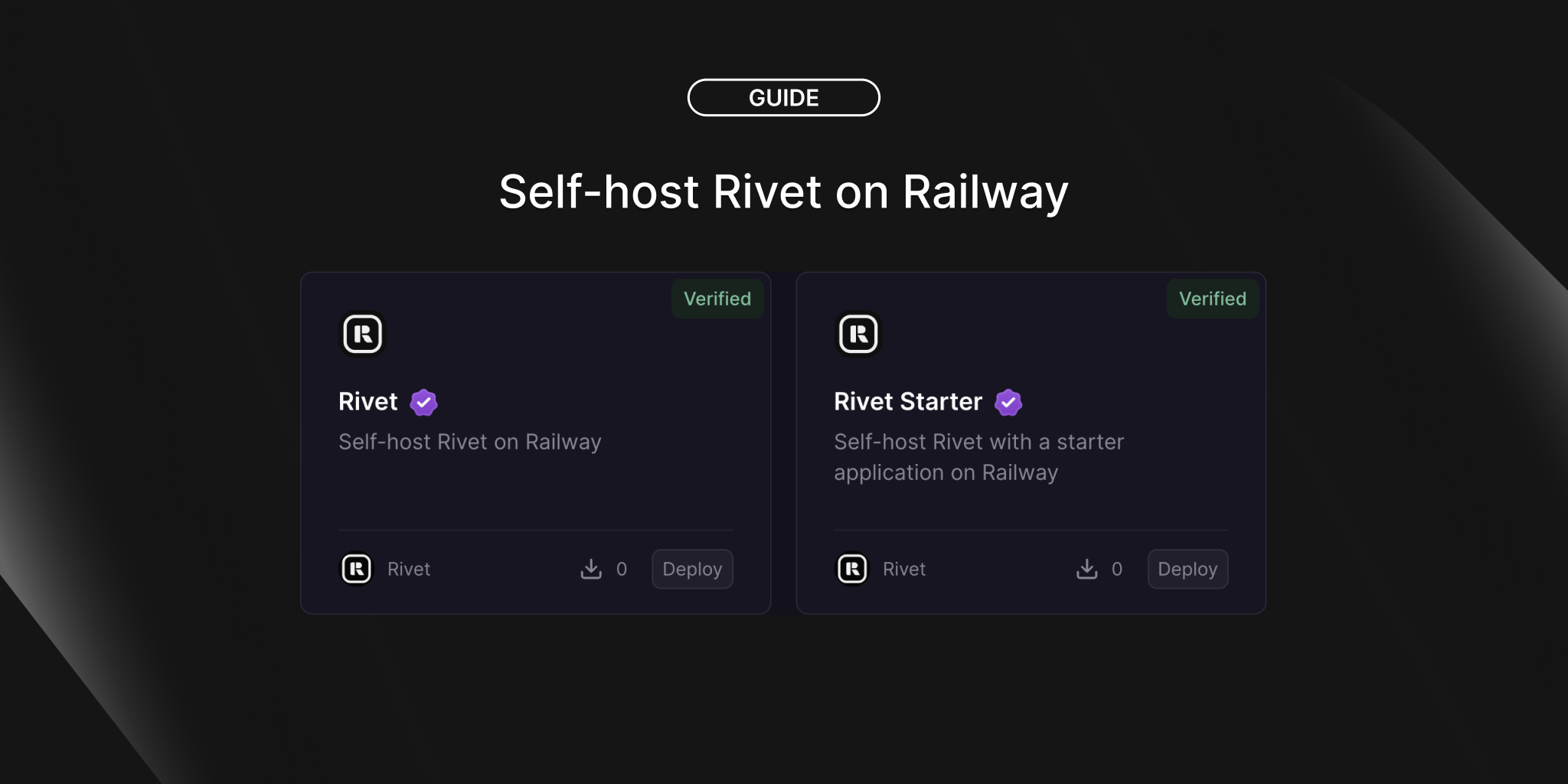
Rivet is now a verified app on the Railway Marketplace. With a few clicks, you can deploy and self-host Rivet on Railway and start building stateful apps anywhere you can run Node.js or Bun—without vendor lock-in.
- Configurable admin token for the Engine - Live chat for feedback & bug requests in Engine & Inspector - Add custom headers to client - Performance improvements in runner protocol
**At Rivet, we're building an open-source alternative to Cloudflare Durable Objects — a tool for running stateful compute workloads. VBARE is a small but crucial component in meeting the demanding performance requirements of Rivet Actors.**
- Access actors directly from frontend - Simplified Cloudflare Workers integration - Pino logging support - Logs include actor name & key - New domain name, rivet [dot] dev
- Actor sleeping - Standalone release binaries (no Docker needed) - onStop lifecycle hook - 72% more compact binary protocol (CBOR → BARE) - 3x faster networking with Postgres driver
Today, we are releasing Rivet v2.0.
Every API call to a cloud provider is a dependency you can't control.
**Rivet is an open-source, self-hostable serverless alternative to Cloudflare Workers, Durable Objects, and Containers. Check out Rivet Containers and visit our GitHub.**
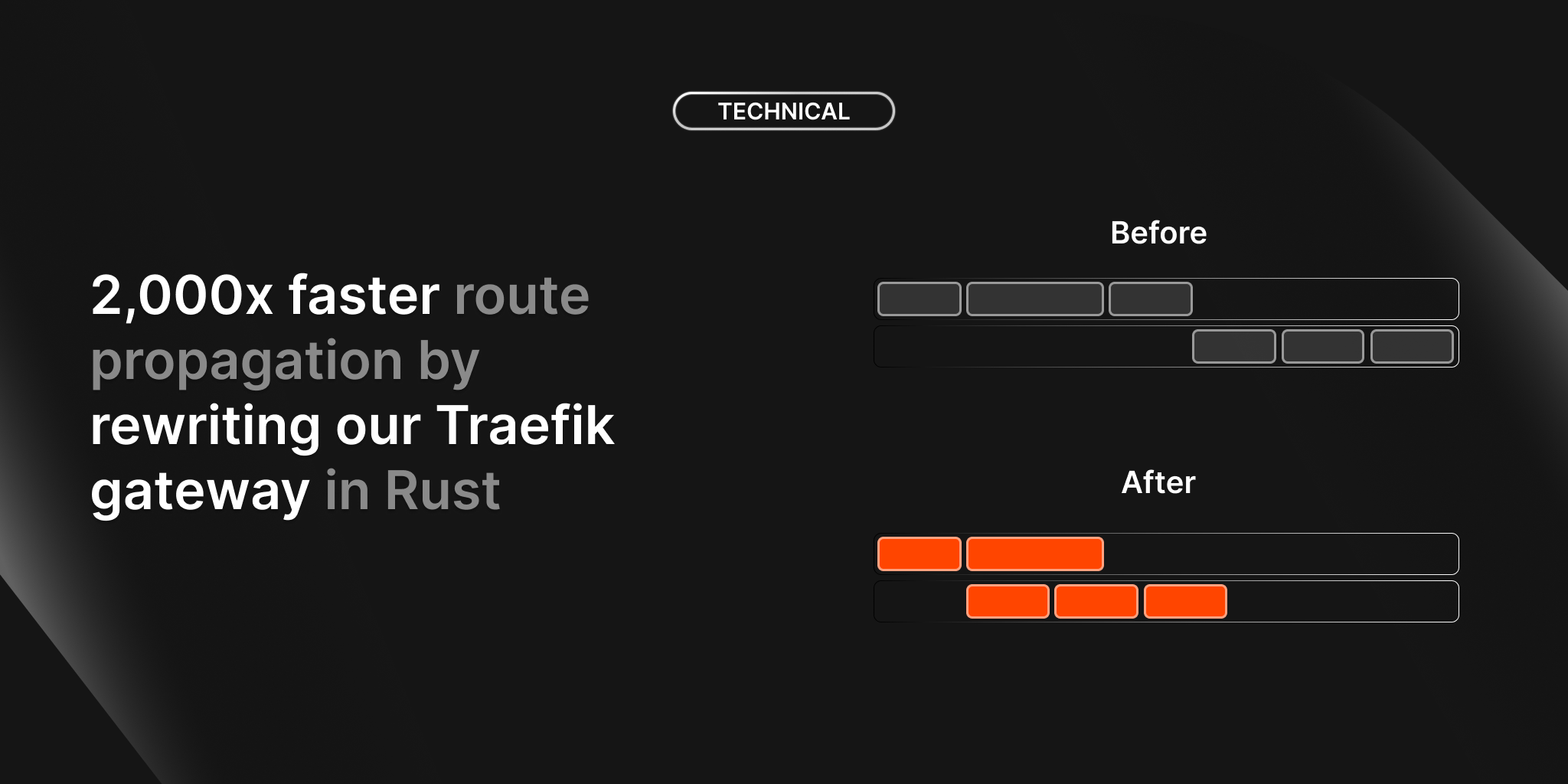
Rivet Guard is our gateway service that handles all incoming traffic to the Rivet platform. Its core responsibilities include:
**In this guide, you'll learn how to build an AI-powered Linear agent that automates development tasks by generating code based on issue descriptions. You'll build a complete application that authenticates with Linear, receives webhooks, and responds to assignments + comments.**
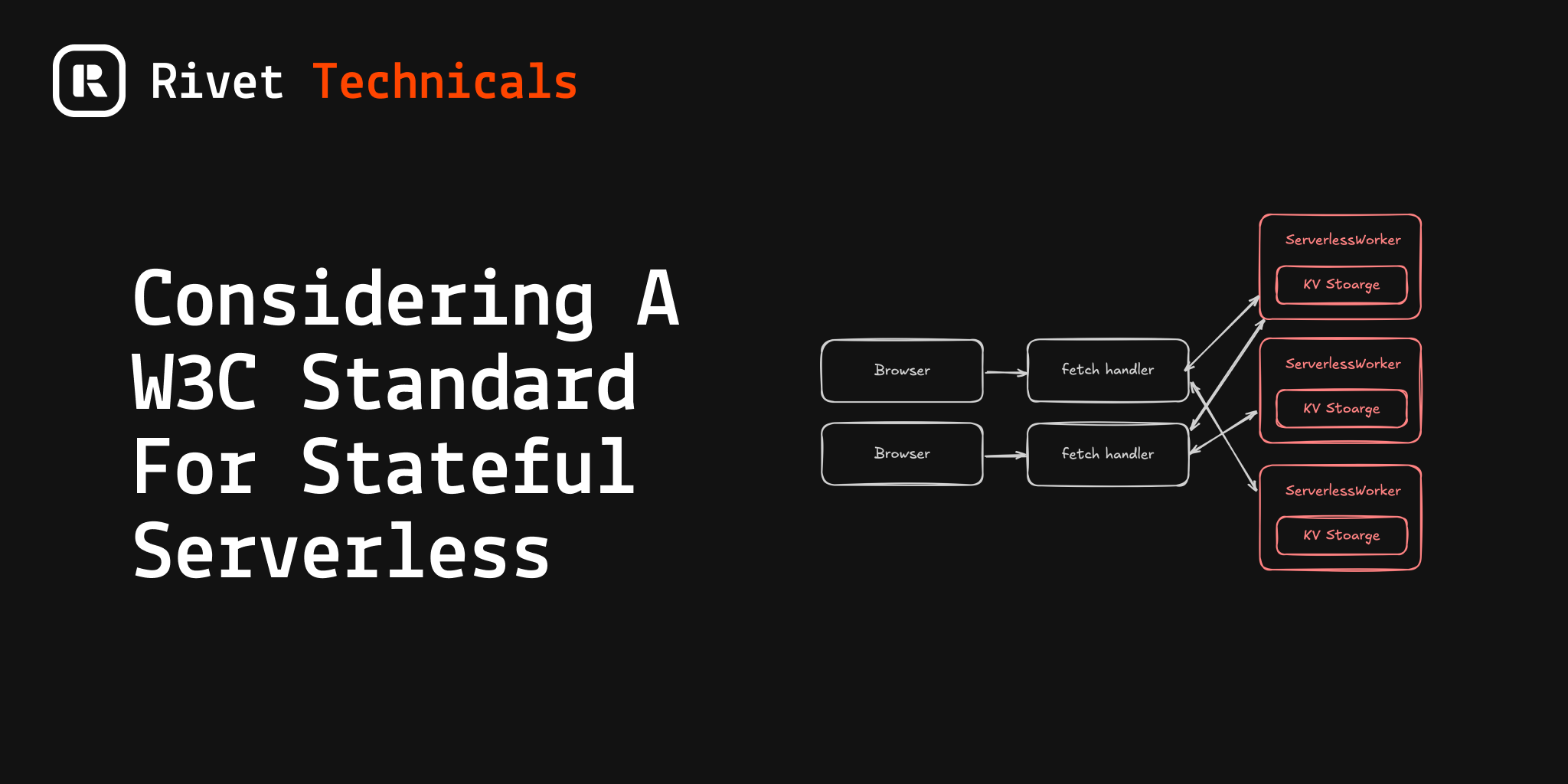
**We're Rivet, a new open-source, self-hostable serverless platform with a focus on stateful serverless. If you want to support our mission of building a production-ready and self-hostable serverless runtime, give us a star on GitHub.**
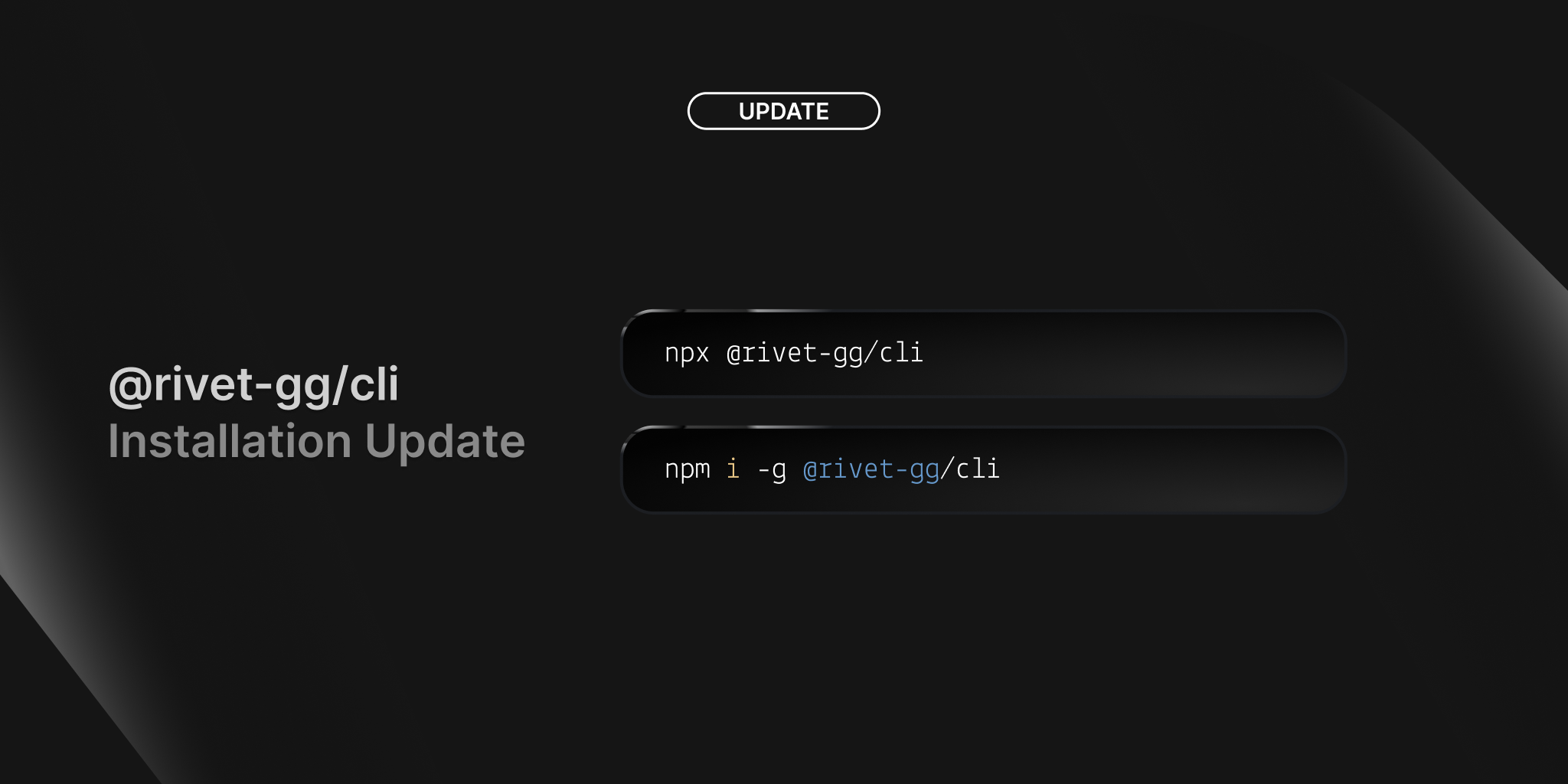
We've updated the installation process for the `rivet-cli` package, making it easier than ever to get started with Rivet. This update ensures a seamless setup process whether you're using `npx` or installing globally via `npm`.
Developers increasingly rely on AI-powered tools like Cursor, Windsurf, and Claude Code to streamline coding, debugging, and automation. But if you want your product to integrate smoothly into these AI-driven workflows, you need to structure your documentation in a way that's optimized for Large Language Models (LLMs).

Today we're excited to announce updates to Rivet's pricing model, moving to a more transparent and flexible usage-based system. This change allows developers to better scale their applications while only paying for what they use.
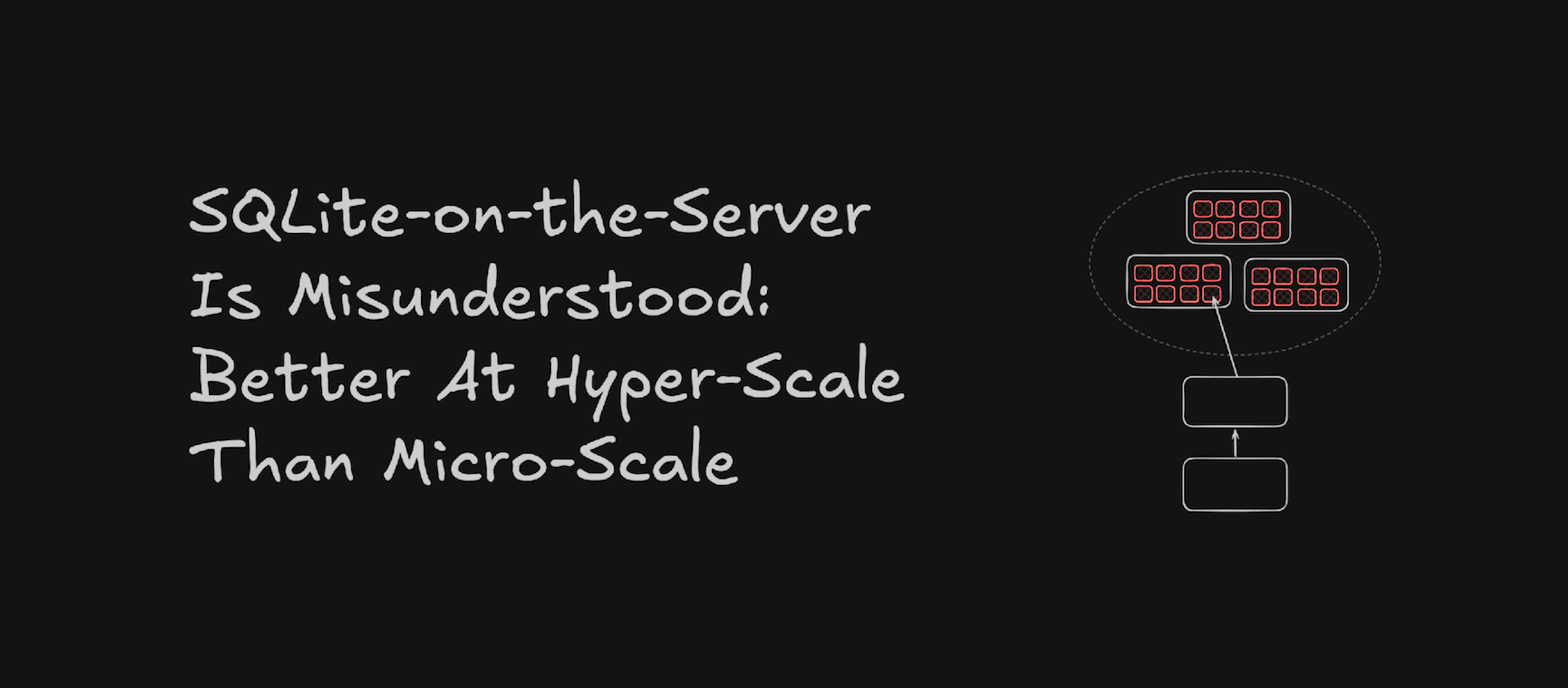
We're Rivet, a new open-source, self-hostable serverless platform. We've been in the weeds with SQLite-on-the-server recently and – boy – do we have a lot of thoughts to share. Give us a star on GitHub, we'll be sharing a lot more about SQLite soon!
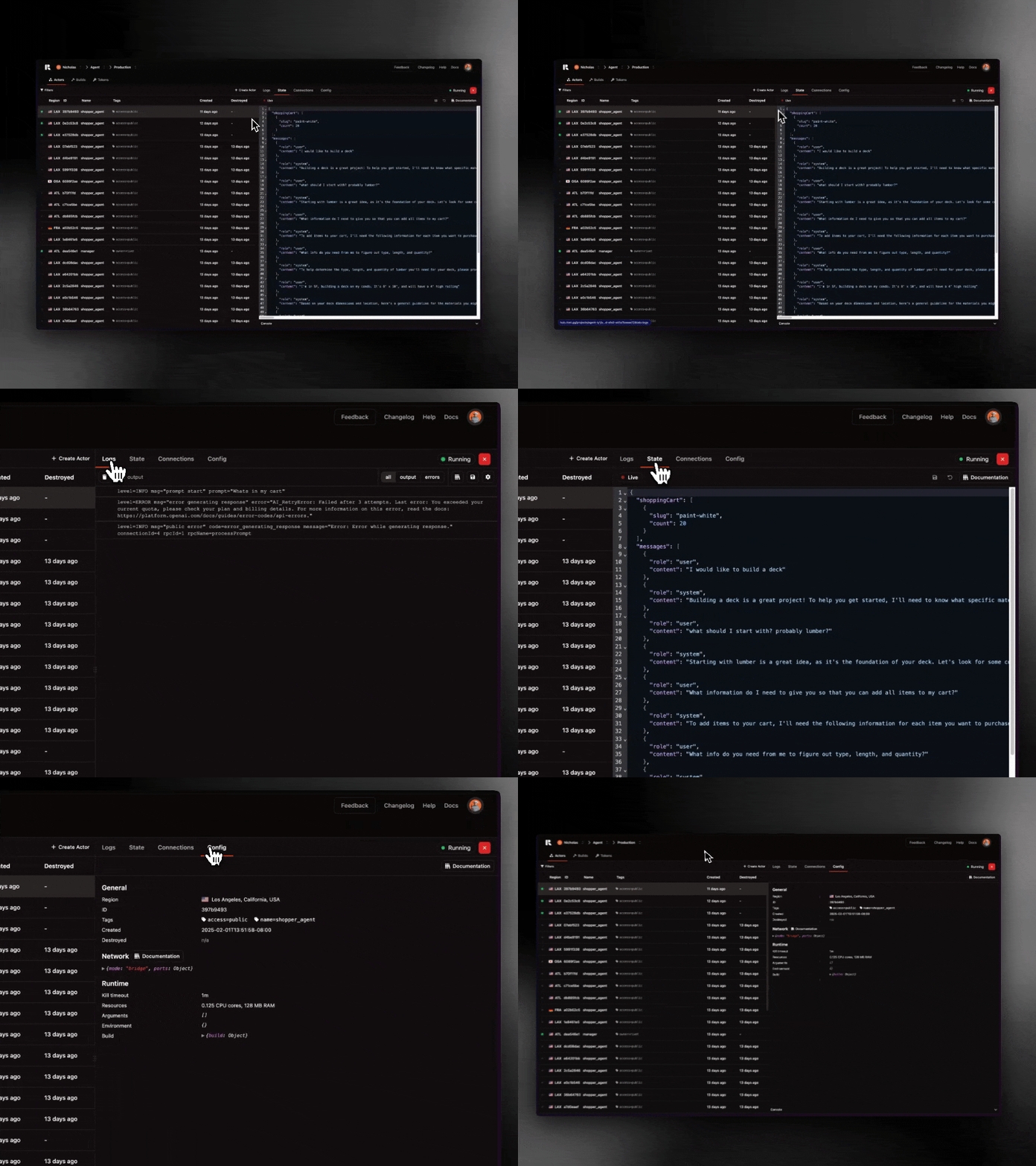
Today we are launching Rivet Actor Inspector to help developers view and inspect Rivet Actors. See and edit things like: - State - Logs - Configuration - Connections

Today we are launching Rivet Actors to help developers build and scale realtime applications. They come with a lot of features like: - State - Events - Remote Procedure Calls - Run at the edge - Open-source - Self-hostable

Comparing Unity's high-level multiplayer API with Unity's Fish-Net framework.